
 7.3Moneyball2011
Movies156:Series018
Flixono: sports movies and series, from Moneyball, King Richard and Cool Runnings to The Sandlot, Miracle and Friday Night Lights, and where to watch them
156 movies and 18 series across eight sports, each with its rating and a Watch now button.
Fixtures: eight sports
Most watched
Full list (156) 6.3
 6.5
 6.5
 6.5
 6.3
 7.6
 7.3
League table: top rated
- 1The Art of Racing in the Rain20198.1
- 2Friday Night Lights20068.0
- 3Big Shot20217.9
- 4Spinning Out20207.9
- 5Young Woman and the Sea20247.8
- 6The Mighty Ducks: Game Changers20217.8
- 7Swagger20217.7
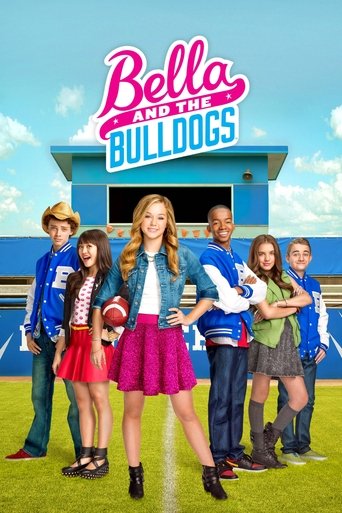
- 8Bella and the Bulldogs20157.7
- 9The World's Fastest Indian20057.7
- 10The Sandlot19937.6
True stories
Full list (34)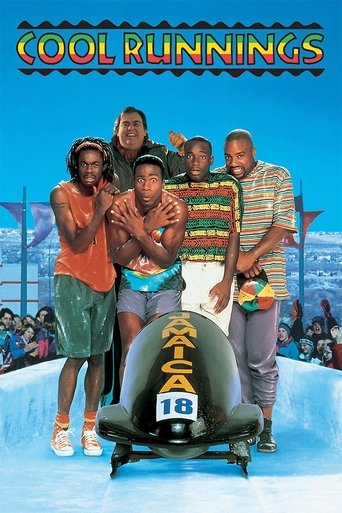 7.0
 7.2
 7.0
 7.4
 7.7
 7.4
American football
Full list (31)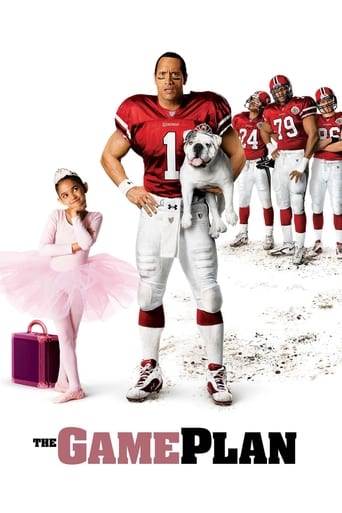 6.5
 6.7
 6.7
 6.9
 6.6
 6.5
Football
Full list (15)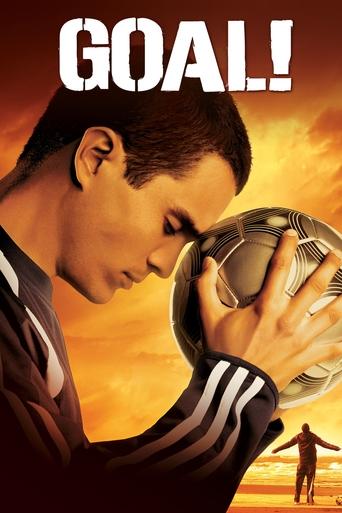 6.8
 6.0
 5.8
 6.4
 7.4
 5.6
Ice and snow
Full list (21)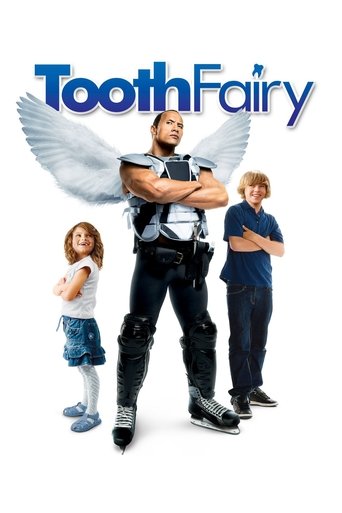 5.5
 6.4
 7.1
 6.4
 6.9
 6.0
Series
Full list (18) 7.9
 7.9
 8.0
 6.9
 7.7
 7.7
The Flixono guide to sport on screen
Flixono: sports movies and series, from Moneyball, King Richard and Cool Runnings to The Sandlot, Miracle and Friday Night Lights
Sport and cinema were made for each other. A game supplies a goal, a clock, an opponent and a crowd, and a film supplies what the scoreboard leaves out: the early mornings, the doubting father, the coach with one season left to prove a point. Flixono is a guide to the result. It lists 156 movies and 18 television series about sport, made between 1941 and today, the work of 153 directors and some 270 hours of film, with 632 episodes of television besides, and it arranges them, like a fixture list, by sport.
Eight sports share the card. American football has the most titles with thirty-one, followed by racing of every kind with twenty-seven, the court and ring with twenty-six, ice and snow with twenty-one, baseball with twenty, basketball with nineteen, water sports with sixteen and football, the world game, with fifteen. Thirty-four titles are true stories, and fifty-six of the movies are family films. Everything was chosen by hand for a household audience, and every title has a page with its summary, its cast, its rating and a Watch now button that leads to the official services carrying it.
This guide takes the sports in turn, then looks at the true stories, the family films and the series, and ends with questions and answers. For the steps alone, see the short page on how to watch with Flixono.
How Flixono works
The home page opens with a scoreboard. Two numbers glow in orange digits, the count of movies on one side and the count of series on the other, beside the heading. Under it lie the fixtures, eight numbered tiles for the eight sports, each showing how many titles it holds.
Next comes a grid of the most watched movies, and beside it the league table, a ranked list of the ten top rated titles with their years and scores. Rows of posters follow for true stories, American football, football, ice and snow, and the series. Each poster carries its rating in an orange tab in the corner, with the title and the year beneath.
A title page gives the summary, the running time, the cast with the parts they play, the director and the studio, and for a series every season and episode with its date. The Watch now button sits beside a country selector: choose a country, press the button, and JustWatch opens with the subscription, rental, purchase and free services that carry the title there. The search field understands the names of sports as well as titles and performers. The page on finding titles lists every route, and My List explains the team sheet.
Baseball
Twenty titles come from the diamond, and baseball has always been the most literary of American sports on film, a game of memory and summer light. The Sandlot, rated 7.6, is its best-loved portrait of childhood. In the summer of 1962 a shy new boy is taken into a gang of nine who play on a dusty lot from morning till dark, and when a ball signed by Babe Ruth sails over the fence into the yard of a monstrous dog, the boys spend the rest of the film trying to get it back. It is funny, exact about how children talk, and bathed in nostalgia.
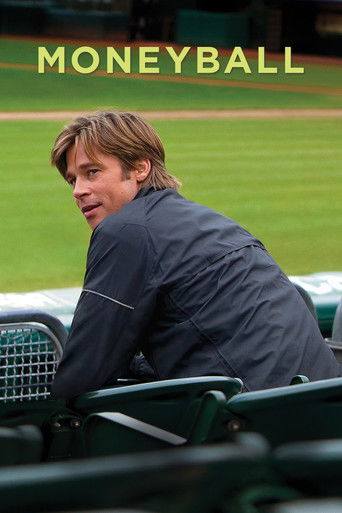
Moneyball, from 2011, looks at the game from the general manager's office. Brad Pitt plays Billy Beane of the Oakland Athletics, who lost his three best players to richer clubs and rebuilt the team with unfashionable men chosen by arithmetic; the film turns a spreadsheet into a drama, and the winning streak that follows is one of the great sequences in sports cinema. Million Dollar Arm is a true story from the same world, about an agent who staged a contest in India to find pitchers among young men raised on cricket, and Trouble with the Curve stars Clint Eastwood as an old scout whose daughter becomes his eyes.
The record books supply two fine films. 61*, directed by Billy Crystal, recreates the summer of 1961, when two New York Yankees, Roger Maris and Mickey Mantle, chased the single-season home run record together and the public loved only one of them. The Stratton Story, from 1949, stars James Stewart as a pitcher who returned to the mound after losing a leg. For Love of the Game follows a veteran, played by Kevin Costner, through what may be his last start, pitch by pitch.
For children there is a whole dugout: Rookie of the Year, in which a twelve-year-old's healed arm can suddenly throw a hundred miles an hour and the Chicago Cubs sign him; Little Big League, about a boy who inherits a professional team; The Perfect Game, the true story of the boys from Monterrey who won the Little League World Series in 1957; and You Gotta Believe, about a Texas youth team of 2002. Take Me Out to the Ball Game, from 1949, is a musical with Gene Kelly and Frank Sinatra as ballplayers who spend the winter in vaudeville. The baseball page sorts the list.
Basketball
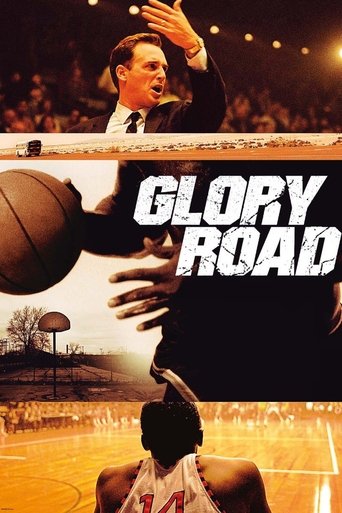
Nineteen titles belong to basketball. Glory Road, rated 7.4, tells the true story of the Texas Western team of 1966, whose coach started five Black players in the national championship game for the first time and beat the favourites. Sweetwater goes back further, to one of the first Black players signed by the professional league, and Hurricane Season is about a Louisiana high-school coach who assembled a team from several flooded schools in the year after a great storm.
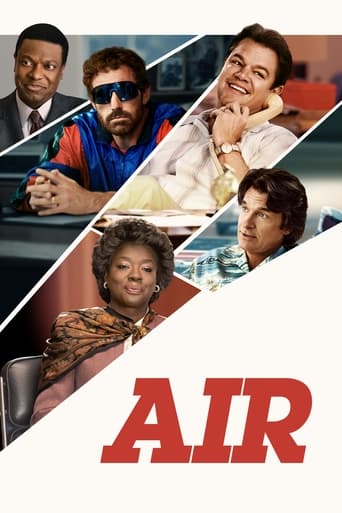
Air, from 2023 and rated 7.3, is a basketball film with hardly a minute of basketball in it. It concerns the shoe company that, in 1984, bet its whole budget on a rookie named Michael Jordan, and the mother who negotiated the deal that changed the business of sport. Blue Chips examines the temptations of college recruiting, with several real players in the cast, and The Air Up There sends a coach to Kenya in search of a prospect.
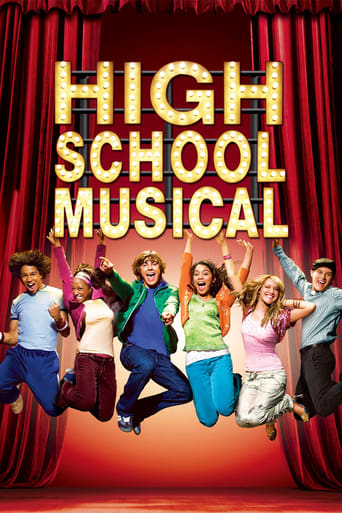
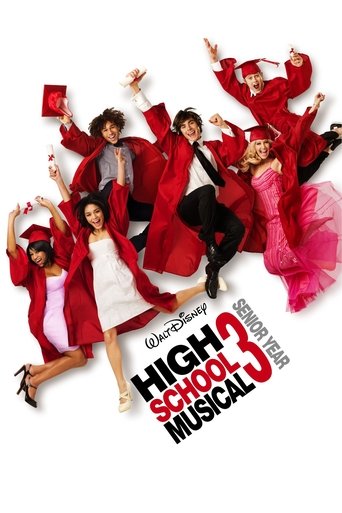
The lighter films are a good introduction for children. In Like Mike, an orphan finds a pair of old trainers that turn him into a professional star. Air Bud is about a golden retriever with a perfect jump shot. Uncle Drew disguises a team of famous veterans as pensioners for a street tournament, Chang Can Dunk follows a short sixteen-year-old who bets the school star that he will dunk by the autumn, and Champions gives a hot-tempered coach a team of players with intellectual disabilities, who teach him the game afresh. The three High School Musical films, whose hero captains the school team, belong here too. The basketball page has the full list.
American football
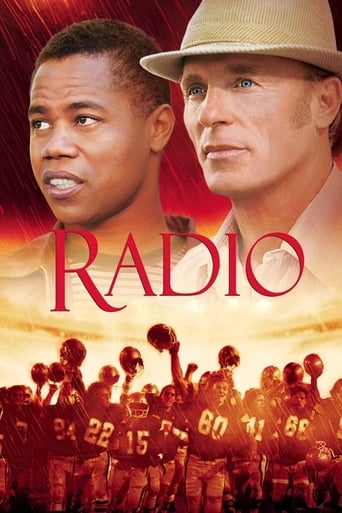
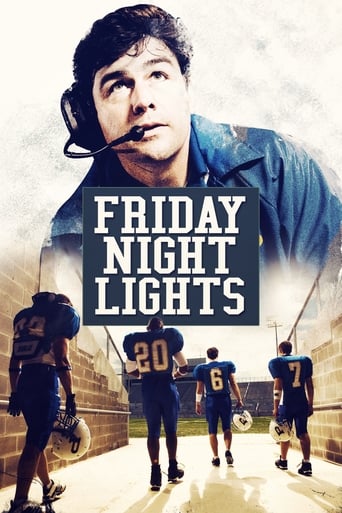
Thirty-one titles make American football the largest sport on the card, and it is a game that film understands at three levels. The first is high school, where a town's whole week can turn on Friday night. The series Friday Night Lights, rated 8.0, is the finest treatment of the subject in any medium. Over 76 episodes it follows Coach Eric Taylor, his wife Tami and the players of a small Texas town, and the football, thrillingly filmed, is really a way of looking at marriage, class, ambition and what adults owe the young. Radio, rated 7.4, is the true story of a South Carolina coach who befriended a young man with a disability and made him part of the team for life, and When the Game Stands Tall concerns a California school whose winning streak ran to 151 games.
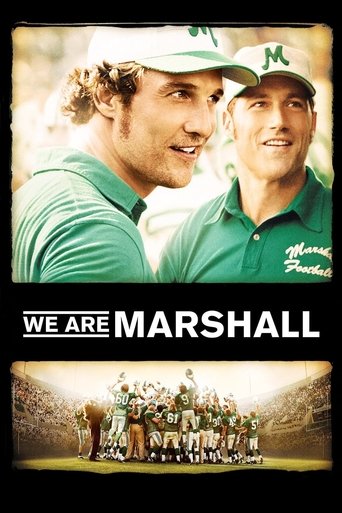
The second level is college. We Are Marshall tells how a West Virginia university rebuilt its football programme after losing almost the entire team in an air crash in 1970. The Express is the life of Ernie Davis, the first Black player to win the sport's highest college honour, and Safety, rated 7.5, the true story of a young Clemson player who secretly brought up his little brother in his dormitory room. My All American and The Senior, about a man who returned to his college team at fifty-nine, are from the same tradition.
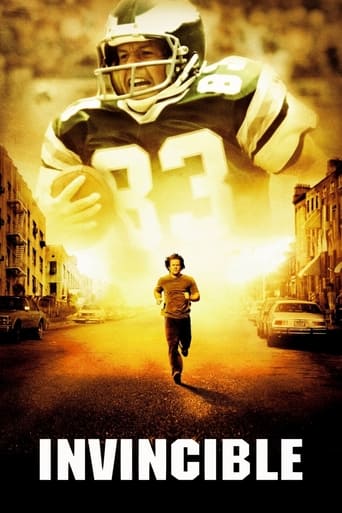
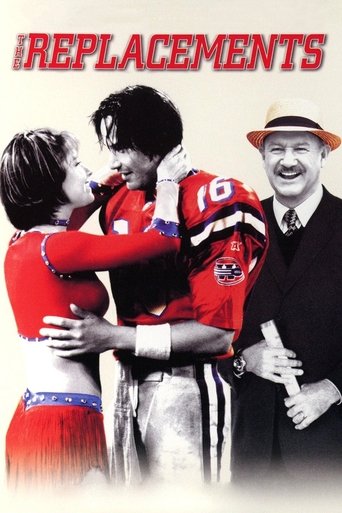
The third is the professional game. Invincible is the true story of a Philadelphia barman who walked into an open trial in 1976 and made the team. American Underdog follows a quarterback from stacking supermarket shelves to the championship, and Draft Day spends twelve tense hours with a general manager on the day the clubs choose their new players. The Replacements is a comedy about stand-in players during a strike.
Family comedies are numerous: Little Giants, with its team of children the star coach turned away; The Game Plan, in which a quarterback discovers he has a daughter; The Longshots, the true story of the first girl to play quarterback in a national youth tournament; and Home Team. On television, Coach ran for 200 episodes, more than any other series on Flixono, and Bella and the Bulldogs put a cheerleader under centre. The American football page sorts the list by level.
Football
Fifteen titles concern the game that most of the world calls football. Goal!, from 2005, is the dream in its purest form: a young Mexican-born player from the parks of Los Angeles is spotted by a former scout, borrows the fare to England and wins a trial at Newcastle United in the mud and rain. Real stadiums and real players appear throughout, and Goal II: Living the Dream takes him on to Madrid.
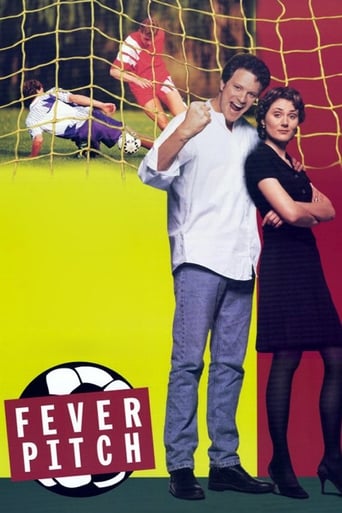
British films prefer the terraces to the pitch. Fever Pitch, from 1997, is about a schoolteacher whose devotion to his club shapes every other part of his life, in the season that ended with a title won by the last kick. Gregory's Girl, from 1980, is a Scottish comedy in which the best striker in the school team turns out to be a girl. Marvellous, rated 7.1, is the true and joyful story of Neil Baldwin, a man who refused every label others gave him and became a circus clown, a university mascot and kit man at a professional club. Mike Bassett: England Manager is a mock documentary about a hopelessly out-of-depth national coach, There's Only One Jimmy Grimble gives a Manchester schoolboy a pair of lucky boots, and The Beautiful Game follows a squad to an international tournament for homeless players.
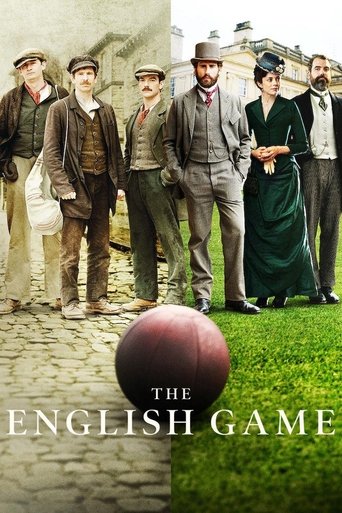
American films treat football as a children's game, with charm. In The Big Green, an English teacher on exchange in a tiny Texas town starts a team to give her pupils something to hope for. Kicking & Screaming turns a mild father, played by Will Ferrell, into a monstrous touchline coach. Alex & Me brings a poster of a famous striker to life in a girl's bedroom, and Back of the Net sends a science student to a football academy by mistake. The series The English Game goes back to the 1870s. See the football page.
Ice and snow
Twenty-one titles are set on ice or snow, and the greatest of them is Miracle. In 1980 a team of American college players, average age twenty-one, met the Soviet Union, the best ice hockey side in the world, at the Winter Olympics. The film follows their coach, Herb Brooks, played by Kurt Russell, through seven months of merciless preparation, and its recreation of the match is so faithful that the original commentary could be laid over it. D3: The Mighty Ducks and the series The Mighty Ducks: Game Changers represent the best-known children's hockey team in film.
The same Olympic movement gave cinema two beloved underdogs in a single year, 1988. Cool Runnings tells how four Jamaicans who had hardly seen snow took a bobsleigh to Calgary, and Eddie the Eagle how a short-sighted English plasterer became his country's only ski jumper. Both finished far down the results, and both are remembered when the medallists are forgotten.
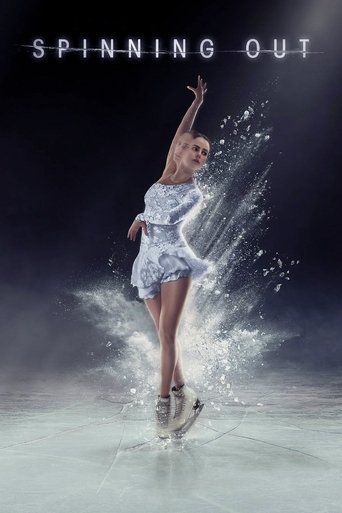
Figure skating has a long shelf. Ice Castles, from 1978, is the story of a gifted skater who loses her sight and learns to compete again. In Ice Princess, a physics student works out the mathematics of a perfect jump and then discovers she wants to perform it. The Cutting Edge: Fire & Ice, Christmas at the Palace and the series Spinning Out, Zero Chill and Finding Her Edge continue the theme.
On the mountain, Downhill Racer, from 1969, stars Robert Redford as a skier whose talent exceeds his character, and its racing footage, shot from the skier's own viewpoint, was new at the time. Chalet Girl and Cloud 9 are snowboarding comedies, and Snowball Express is a family farce about a New York accountant who inherits a ski hotel. The ice and snow page has the list.
Water
Sixteen titles take to the water. Young Woman and the Sea, from 2024 and rated 7.8, is the best of them. Trudy Ederle, the daughter of a New York butcher, learned to swim after a childhood illness, won Olympic medals, and in 1926 set out to cross the English Channel, a feat then achieved by only five men. Daisy Ridley plays her, and the swim itself, twenty-one miles through jellyfish, currents and a storm, is filmed with real grandeur. On a Clear Day makes the same crossing on a humbler scale: a Glasgow shipyard worker, laid off at fifty-five, trains in secret to swim to France.
The Boys in the Boat, directed by George Clooney, tells how eight working-class students from the University of Washington learned to row as one and reached the Olympic final in Berlin in 1936. Oxford Blues is a lighter rowing story, with an American who talks his way into an English college. Swimming with Men finds a middle-aged accountant a place in an amateur team of male synchronised swimmers, with surprising dignity.
Surfing is represented by Blue Crush, Rip Tide, Rip Girls and the Australian series Surviving Summer, and three films from the 1940s and 1950s star Esther Williams, a real swimming champion who became a film star: Bathing Beauty, Neptune's Daughter and Million Dollar Mermaid, with water ballets staged on a scale that has rarely been attempted since. The water page lists them.
Racing
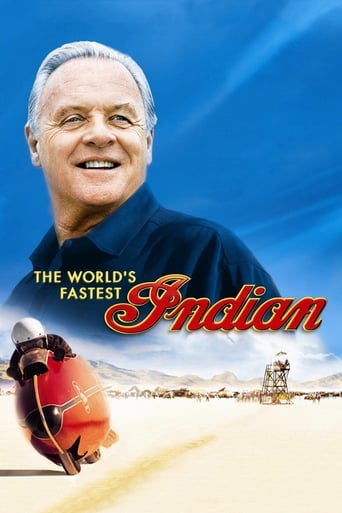
Twenty-seven titles are races of one kind or another. Motor sport has Grand Prix, from 1966, which followed a season of the world championship with cameras bolted to the cars; at 176 minutes it is the longest film on Flixono and still among the most exciting. The World's Fastest Indian, rated 7.7, is the true story of Burt Munro, a New Zealander in his sixties who rebuilt a 1920 motorcycle in his shed, shipped it to the salt flats of Utah and set a record that stands in its class today. Anthony Hopkins plays him with great warmth. The Art of Racing in the Rain, rated 8.1 and the highest-rated film on the site, sees a driver's career through the eyes of his dog.
The bicycle has two classics. Breaking Away, from 1979, follows four friends in an Indiana college town, sons of the stonecutters who built the university, and one of them in particular, who is so devoted to Italian cycling that he speaks to his bewildered father in Italian. It won an Academy Award for its screenplay. The Flying Scotsman is the true story of an amateur who broke the world hour record on a machine he had built from scrap, including parts of a washing machine.
Runners appear in McFarland, USA, rated 7.5, the true story of a coach who built a champion cross-country team from the sons of farm workers in a small California town; in Prefontaine, about a celebrated American distance runner of the 1970s; and in Brittany Runs a Marathon, a comedy about a young New Yorker who starts with one block and ends with twenty-six miles.
Horses and rodeo complete the list. National Velvet and International Velvet are stories of girls who ride in great competitions, Dreamer: Inspired By a True Story and The Black Stallion end at the racetrack, and the rodeo films run from The Lusty Men of 1952 through Junior Bonner and 8 Seconds, the life of a champion bull rider, to The Rider and Walk. Ride. Rodeo., the true story of a barrel racer who returned to competition after an injury. Genevieve, from 1953, is a comedy about two couples racing vintage cars from Brighton back to London. The racing page groups them by kind.
Court and ring
Twenty-six titles cover the sports played on a court, a course, a mat or in a ring. Tennis has King Richard, rated 7.6, about the father who drew up a seventy-eight-page plan for two daughters to become champions before either was born, and coached them on the public courts of Compton; Will Smith won the Academy Award for the part. Wimbledon is a romantic comedy on the lawns of the famous tournament.
Golf supplies three very different films. The Greatest Game Ever Played, rated 7.3, tells how Francis Ouimet, a twenty-year-old amateur and former caddie, won the United States Open of 1913 against the best professionals in the world, with a ten-year-old carrying his bag. Tin Cup is a comedy about a gifted driving-range professional, played by Kevin Costner, who would always rather attempt the impossible shot than play safe, and The Phantom of the Open the true story of the worst round in the history of a great championship.
Gymnastics has a strong group: Stick It, a sharp comedy about a rebel sent back to the gym; Full Out, The Gabby Douglas Story and The Simone Biles Story: Courage to Soar, all true; and the series Make It or Break It, which follows four hopefuls through 48 episodes. Wrestling appears in Win Win, Going to the Mat and Triumph, roller derby in Whip It, directed by Drew Barrymore, and boxing in Gentleman Jim, from 1942, with Errol Flynn as the dandy who brought footwork to the prize ring.
Queen of Katwe, rated 7.2, belongs here by courtesy, since chess is a sport of the mind. It is the true story of Phiona Mutesi, a girl from a poor district of Kampala who learned the game at a mission and became a national champion, and it is among the most uplifting films in the catalogue. The court and ring page has the list.
True stories
Thirty-four titles are true, a fifth of the catalogue, and the true sports story follows a pattern that stays fresh however often it is told. Someone is told that winning is for other people: too small, too poor, too old, the wrong colour, the wrong sex, from the wrong town. They train anyway. A coach or a parent believes in them. The film ends on a day when the doubters are answered.
The variations are what matter. In Miracle and Glory Road the hero is a team, and the victory changes how a country sees itself. In Young Woman and the Sea, The Express and Sweetwater it is a pioneer who opens a door for those behind. In Invincible, American Underdog and The Senior it is an ordinary man given one improbable chance, and in Cool Runnings, Eddie the Eagle and The Phantom of the Open it is someone whose triumph is simply to take part.
The quieter true stories are often the best. McFarland, USA, Safety, Radio and Marvellous are about communities as much as competitors, and Queen of Katwe and Million Dollar Arm about talent found in places that scouts had overlooked. The true stories page arranges all thirty-four.
Sport for the family
Fifty-six movies carry the Family label, and the children's sports film is a genre with its own rules. The team is made up of those picked last. The coach is a reluctant adult with something to learn. There is a rival team in better kit. And there is a final game, usually decided by the smallest player. Little Giants, The Big Green, D3: The Mighty Ducks and The Bad News Bears in Breaking Training all follow the pattern and all send their audiences home happy.
A second kind grants a wish. The boy of Rookie of the Year gets a miraculous arm, the boy of Like Mike magical shoes, the boy of Little Big League a whole club, and the boy of The Main Event a mask that makes him a wrestling star. A third kind adds an animal: the retriever of Air Bud and its two sequels, a chimpanzee on a minor-league baseball team in Ed, and the horses of the Velvet films.
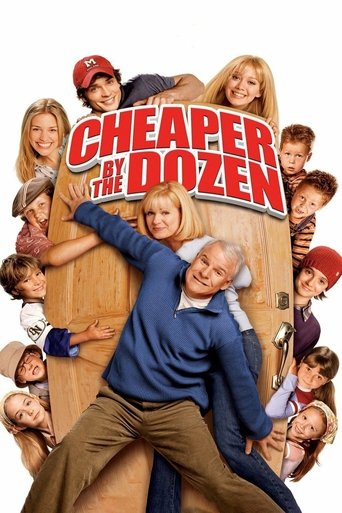
Fathers and daughters are a favourite pairing. The Game Plan softens a vain quarterback, Cheaper by the Dozen gives a college coach twelve children to manage at once, and Tooth Fairy sentences an ice-hockey bruiser to two weeks in wings. The Disney Channel films, among them Brink!, Motocrossed, Going to the Mat, Gotta Kick It Up!, Cloud 9 and Full Out, have introduced a generation to inline skating, motocross, wrestling, dance teams, snowboarding and gymnastics. The family page sorts them.
Coaches
If the athlete is the hero of the sports film, the coach is its conscience, and the catalogue holds a hall of fame. Herb Brooks of Miracle is the hard man who keeps his distance so that his players will unite against him. Eric Taylor of Friday Night Lights is the decent man tested weekly by a town that wants only to win. Jim White of McFarland, USA, played by Kevin Costner, is the newcomer who learns his runners' lives by working a day in the fields beside them.
Some coaches are fathers: Richard Williams, with his plan and his shopping trolley of tennis balls, and the bewildered parents of the children's films. Some are found late: the swimming instructor of Young Woman and the Sea, the missionary of Queen of Katwe, the retired jockey who trains a butcher's daughter in National Velvet. And some need coaching themselves, like the suspended professional of Home Team, who goes home to help with his twelve-year-old son's side and discovers he has forgotten how to enjoy the game.
Television gives the coach room to grow. Coach spent 200 episodes with the head of a Minnesota college team and his long-suffering staff. Big Shot, rated 7.9, sends a volcanic men's basketball coach to a girls' school, where shouting proves useless and listening works. In Swagger, a former prodigy coaches the next generation of young players in the suburbs of Washington, and in Stick, a golfer whose own career collapsed takes a seventeen-year-old talent on the road.
The series
Eighteen series with 632 episodes complete the card. Friday Night Lights leads them at 8.0, with Big Shot and Spinning Out at 7.9 and The Mighty Ducks: Game Changers at 7.8. Sports Night, created by Aaron Sorkin in 1998, is set behind the scenes of a nightly sports news programme and is as much about friendship and deadlines as about scores; its 45 episodes are among the wittiest half-hours of their decade.
Several series follow young athletes. Swagger and All American: Homecoming are about basketball, tennis and baseball players on the way up, Make It or Break It about gymnasts, Surviving Summer about teenage surfers on the Australian coast, and Zero Chill and Finding Her Edge about skaters. Pitch imagines the first woman to pitch in the major leagues, and The English Game the first working men to be paid for playing football. Young Rock looks back, with a wink, on a wrestling family. The series page lists all eighteen.
Comedy
Seventy-two of the movies are comedies. Besides the children's films, there is a line of grown-up sports comedy that runs back to the studio age. Take Me Out to the Ball Game and Good News, a college musical of 1947, sing about the game. Howard Hawks's Man's Favorite Sport? enters a fishing expert who has learned everything from books in a tournament. Ride 'Em Cowboy sends two New York peanut vendors to a dude ranch, and That's My Boy gives a college football legend a son who would rather be anywhere else.
The modern comedies are affectionate. Uncle Drew reunites a street-basketball team after fifty years. Poms starts a cheerleading squad in a retirement community, with Diane Keaton as its captain. Kicking & Screaming and Home Team laugh at the adults on the touchline, and Mike Bassett: England Manager at the whole business of running a national side. The British do rueful comedy particularly well: the men of Swimming with Men, the supporters of Fever Pitch and the golfer of The Phantom of the Open are all, in their way, magnificent failures.
Eighty years of sport on screen
The catalogue spans more than eighty years, in three shelves. Twenty-nine movies date from before 1990. The oldest belong to the studio age, when sport was a setting for musicals, comedies and star biographies: Gentleman Jim, National Velvet, The Stratton Story, the Esther Williams films. The 1960s and 1970s brought realism, in Grand Prix, Downhill Racer, Junior Bonner and Breaking Away, and the 1980s the teenage sports film, in Lucas and Rad.
Sixty-two movies come from 1990 to 2009, the golden age of the family sports comedy and of the inspirational true story, from Cool Runnings and The Sandlot in 1993 to Miracle, Glory Road, Invincible and We Are Marshall in the 2000s. Sixty-five date from 2010 onward, when the true story widened its range to take in the front office in Moneyball and Draft Day, the parent in King Richard, and long-neglected pioneers in Young Woman and the Sea and Sweetwater.
Sport as a business
A newer kind of sports film leaves the field altogether and finds its drama in offices, and several of the best titles on Flixono belong to it. Moneyball is the model. Its contests are arguments in a scouting meeting and a telephone trade conducted against the clock, and it makes heroes of an economist with a laptop and a manager willing to be laughed at. Draft Day compresses a year of planning into a morning of bluff and counter-bluff, and Air turns the signing of one endorsement contract into a caper.
Million Dollar Arm and The Air Up There are about agents and recruiters, Blue Chips about what a coach may be tempted to offer a schoolboy, and the series Sports Night about the journalists who turn the day's results into a programme. 61* spends as much time with the newspapermen who hounded a shy record-chaser as with the players. Together these films explain a good deal about how modern sport works, and they suit viewers who like their drama spoken rather than sprinted.
Teams and their towns
The sports film is very often a portrait of a place. Friday Night Lights could be set only in west Texas, where the stadium is the largest building for miles. McFarland, USA is as much about a farming town in the Central Valley of California as about running, and its races pass through the orchards where the runners' families work. Breaking Away turns on the old division between a university and the limestone quarrymen who built it.
Industrial towns have a special place in the genre. The Philadelphia of Invincible is a city of laid-off dock workers who need something to cheer; the Glasgow of On a Clear Day is losing its shipyards; and the Pennsylvania steel towns, West Virginia valleys and South Carolina mill towns of the football films all look to a team for their pride. We Are Marshall shows a whole community deciding, after a tragedy, that playing again is a way of honouring the lost.
Smaller places produce gentler stories. The Big Green gives a forgotten Texas town its first reason to gather in years, Hurricane Season rebuilds a neighbourhood round a gymnasium, and The Perfect Game sends nine boys from an industrial city in Mexico across the border on three-day visas to play, as they believe, a single match. In each case the team gives the town a story to tell about itself.
Too young, too old
Sport is supposed to belong to the young, and film enjoys proving otherwise. The Senior is the true story of a man who rejoined his college football team at fifty-nine. Burt Munro was sixty-eight when he set his record. The shipbuilder of On a Clear Day is fifty-five, the men of Swimming with Men are well into middle age, the cheerleaders of Poms are in their seventies, and the stars of Uncle Drew play pensioners with jump shots. Trouble with the Curve and For Love of the Game are about veterans deciding how to finish.
At the other end are the prodigies: the twelve-year-old pitcher, the preteen club owner, the fourteen-year-old tennis professional, the ten-year-old caddie of The Greatest Game Ever Played, and the gymnasts of the true stories, who trained for the Olympics while still at school. Lucas, from 1986, is the most touching film about a boy too small for the game he insists on playing. What unites the old and the young in these films is that someone has told them to sit down, and they have politely declined.
Rivals and team-mates
A sport needs an opponent, and the best films give the opponent a face. 61* is about two team-mates who were also rivals and, against expectation, friends. In The Greatest Game Ever Played, the young amateur and the great English professional he must beat are shown to have risen from the same poverty, and to recognise it in each other. Wimbledon sets a love story on opposite sides of the draw, and Miracle makes a team from college players who had spent years trying to knock one another down.
Team-mates are the heart of the series. The players of Friday Night Lights, the skaters of Spinning Out and Zero Chill, the gymnasts of Make It or Break It and the young hopefuls of Swagger compete with each other for places while depending on each other for everything else, and it is that tension, more than any result, that keeps an audience watching season after season. Children's films put the same truth simply: the worst team in the league becomes the best when its members start passing to one another.
A game for everyone
One of the most welcome threads in the catalogue is the film about an athlete with a disability, told as a sports story first and foremost. Champions gives a team of basketball players with intellectual disabilities the best jokes and the last word. The Peanut Butter Falcon follows a young man with Down syndrome who slips out of a care home to find the wrestling school of his hero, and makes a friend of the drifter who helps him. Triumph is about a teenager with cerebral palsy determined to wrestle for his school, and Going to the Mat about a blind drummer from New York who earns a place on a Utah wrestling team.
23 Blast is the true story of a high-school footballer who lost his sight and returned to the field at a new position. Ice Castles and Walk. Ride. Rodeo. show athletes rebuilding their sport after injury, and Radio and Marvellous celebrate two men who became the soul of their teams from the touchline. These films share a conviction that runs through the whole genre: the field is for anyone willing to step on to it.
Younger viewers meet the same idea in The Main Event and Chang Can Dunk, whose heroes are told they are too small and answer with practice, and families who watch these films together often find them a natural way to talk about fairness, effort and what it means to be part of a side.
Women in the arena
Women's sport is far better represented on screen than it used to be, and the catalogue shows the change. The pioneers come first: Trudy Ederle in the Channel, the girl who rides the national in National Velvet, the swimmer-turned-star of Million Dollar Mermaid, which tells the life of Annette Kellerman, an Australian champion of the 1900s. Ice Castles in 1978 and Blue Crush in 2002 gave female athletes the kind of serious, physical film that had long been reserved for men.
Since then the list has grown quickly. Gymnastics has the three true stories and a series. Whip It is about a Texas teenager who swaps beauty pageants for roller derby. The Longshots and Bella and the Bulldogs put girls at quarterback, Pitch puts a woman on a major-league mound, and Queen of Katwe, Walk. Ride. Rodeo. and Full Out are stories of young women who refused to be counted out. In King Richard the daughters are the champions, and the film's final match belongs to a fourteen-year-old Venus Williams.
The big game
Every sports film builds to a contest, and it is worth noticing how differently the best ones film it. Miracle plays its match almost in real time, trusting the audience to feel each change of line. Moneyball hides in a weight room with a man too nervous to watch. Breaking Away ends on a cinder track with four friends sharing one bicycle, and Cool Runnings with four men carrying their sled across the line on their shoulders.
Often the result is a defeat, or beside the point. The team of Friday Night Lights loses as many big games as it wins. The golfer of Tin Cup throws away a championship for the sake of one perfect shot and is happier for it. Fever Pitch is decided by a goal scored far from its hero, watched on a small television in a flat. What these films understand is that sport matters because of what people bring to it, and that a final score is only the last line of a longer story.
The crowd is part of that story. The cinema has always loved a stadium, from the wooden stands of the 1940s to the vast bowls of the college game, and several films here were shot during real fixtures, with tens of thousands of unpaid extras cheering on cue. A viewer far from any ground could do worse than borrow one.
The league table
Twenty-three titles are rated 7.3 or higher, and the league table on the home page shows the first ten. The Art of Racing in the Rain is top at 8.1, followed by Friday Night Lights at 8.0, Big Shot and Spinning Out at 7.9, and Young Woman and the Sea and The Mighty Ducks: Game Changers at 7.8. The World's Fastest Indian and Swagger stand at 7.7, The Sandlot and King Richard at 7.6, and Safety and McFarland, USA at 7.5. The page on the league table explains how it is drawn up.
Picking a side
The simplest way to choose is by sport: press the tile for the game you follow and start at the top. A second way is by mood. For a film to share with children, The Sandlot, Cool Runnings or Little Giants. For something stirring, Miracle, Glory Road or Young Woman and the Sea. For a laugh, Uncle Drew or Mike Bassett: England Manager. For a thoughtful evening, Moneyball, Breaking Away or The Rider.
A third way is by calendar. Baseball films suit the summer, football the autumn, the skating and skiing films the depths of winter, and the Olympic stories any year in which the Games come round. For a long season, begin Friday Night Lights and take it an episode or two at a time. Add what appeals to My List as you browse; the team sheet will keep your selection. The running time is on every page, from the 76 minutes of the shortest films to the three hours of Grand Prix.
Reading a title page
A title page on Flixono is laid out like a match programme. The poster and the name of the film head the page, with the year, the running time and the genres beside them, and a short account of the story follows. Two buttons sit under it: Watch now, and the button that adds the title to your team sheet. In the Where to watch panel you select a country, and a details table sets out the release date, the language, the countries of production, the studio and the audience score together with the number of people who voted.
The line-up comes next, each performer named beside the character played, and then the director. For a series, the seasons are listed in order with every episode numbered and dated; Coach runs to 200 of them. At the foot of the page are further titles from the same sport, so that a baseball film hands on to another baseball film.
Questions and answers
Questions
What is Flixono?
Flixono is a guide to sport on screen: 156 movies and 18 series made between 1941 and today. Each title has a page with its summary, cast and rating, and a Watch now button that leads to the official services carrying it.
Which sports are covered?
Eight groups: baseball, basketball, American football, football, ice and snow, water, racing, and the court and ring, which takes in tennis, golf, gymnastics, wrestling, boxing and chess.
How do I watch a film?
Open its page, select your country in the Where to watch panel and press the orange Watch now button. JustWatch then shows the subscription, rental, purchase and free services that carry the film in that country.
Which titles are rated highest?
The Art of Racing in the Rain leads at 8.1 and Friday Night Lights follows at 8.0. Big Shot and Spinning Out stand at 7.9.
How many true stories are there?
Thirty-four, among them Miracle, Moneyball, King Richard, Cool Runnings, Glory Road, Young Woman and the Sea and The Boys in the Boat.
Are the films suitable for children?
Fifty-six movies carry the Family label, and every title was chosen by hand for a household audience. Each page gives the genres and a summary to help parents choose.
What is the difference between the two football lists?
American football covers the game played with helmets and an oval ball. Football covers the world game, known in the United States as soccer.
Which series is longest?
Coach, with 200 episodes. Friday Night Lights has 76 and Make It or Break It 48.
What is the team sheet?
My List is a sheet of titles you plan to watch. It is held in the browser on the device in use, updates with every change, and can be printed out as a file from the list page.
Where does the information come from?
Posters, ratings, casts, episode lists and production details come from TMDB. The guide on this page and the help pages are written for Flixono.
